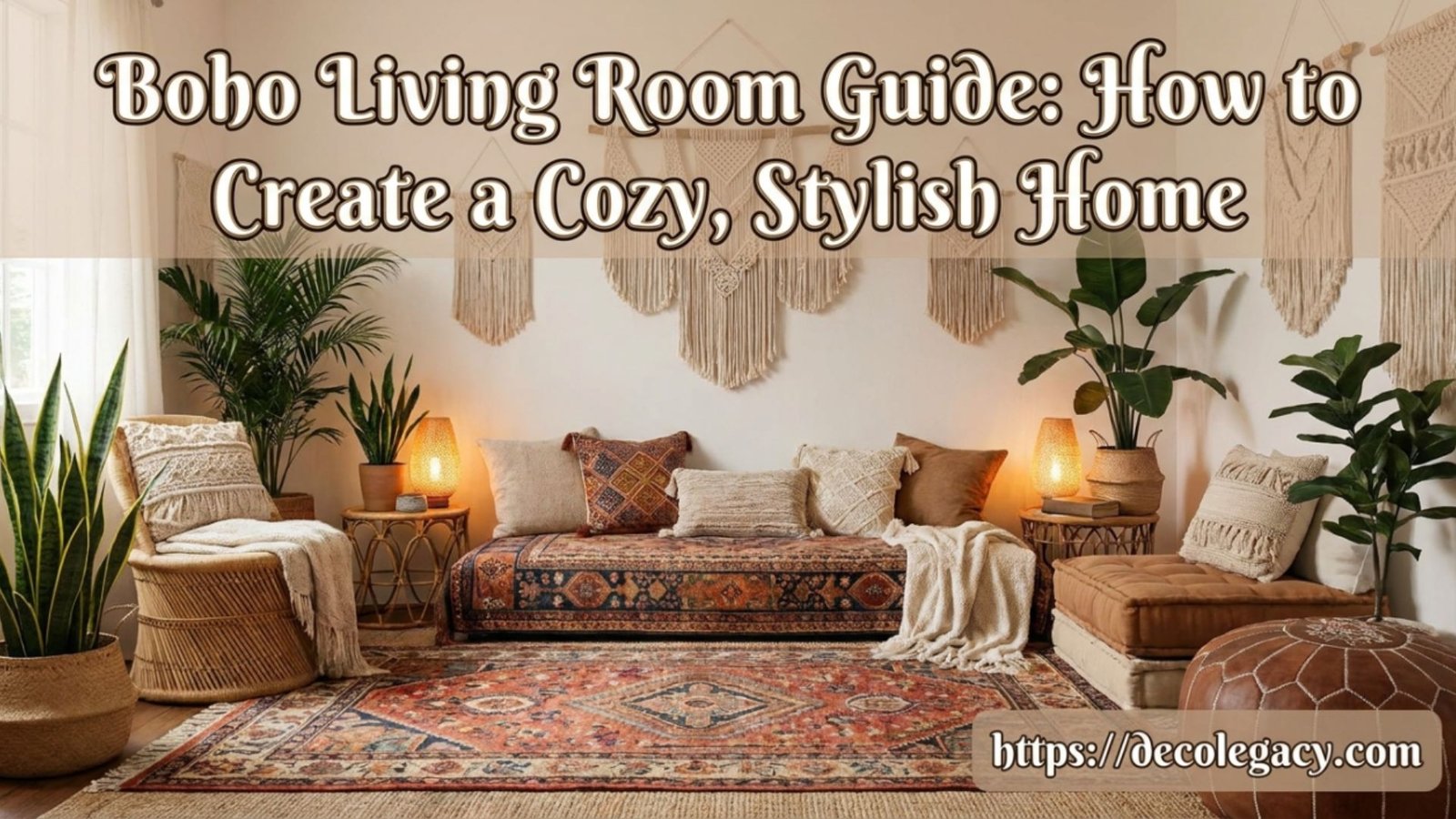
Boho Living Room Guide: How to Create a Cozy, Stylish Home
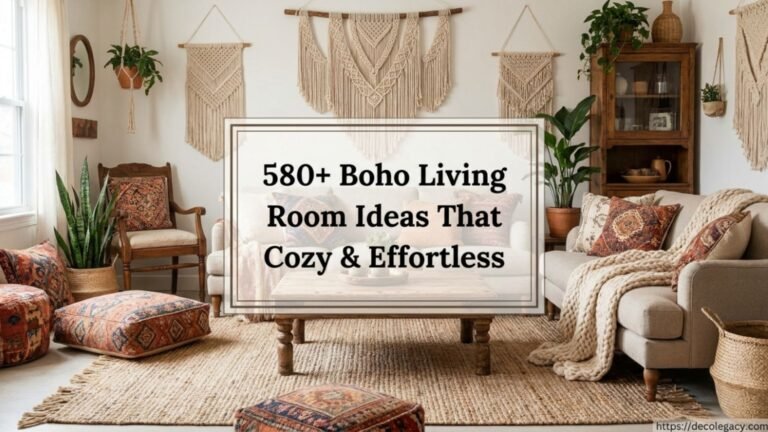
If you love warm textures, layered patterns, and a laid-back vibe, this Boho Living Room Guide is for you. Bohemian style blends comfort with personality, mixing colors, textiles, and natural elements freely. It’s not about strict rules but about creating a space that feels lived-in and loved.
In this Boho Living Room Guide, you will learn how to layer rugs, pillows, and throws for maximum coziness. We’ll also cover plants, lighting, and vintage finds that bring character to any room. By the end, you’ll have everything you need to transform your living room into a boho retreat.
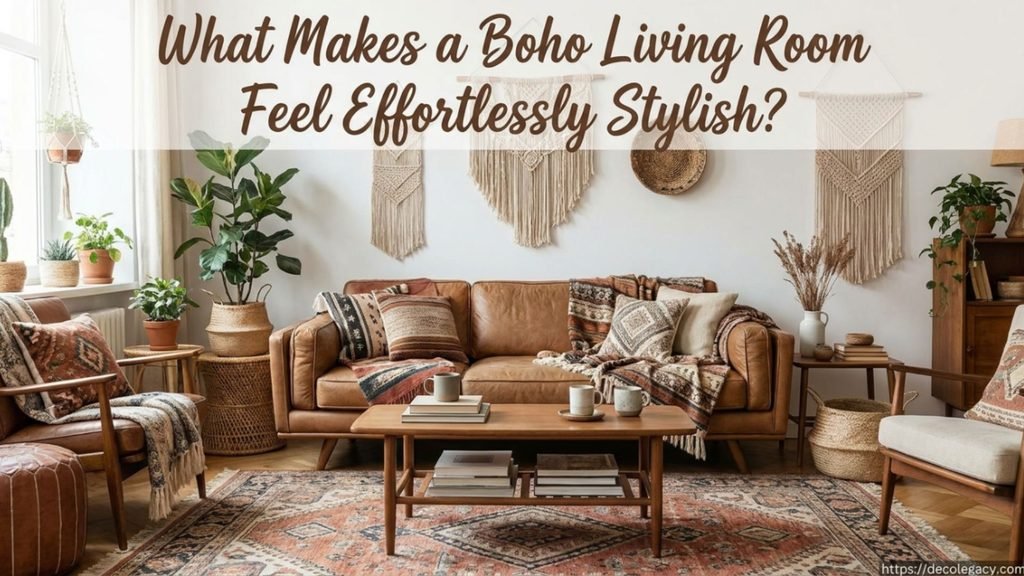
What Makes a Boho Living Room Feel Effortlessly Stylish?
The “effortless” look of boho design is actually the result of intentional choices, not random collecting. A well-designed bohemian living room balances pattern with negative space, mixes materials with a consistent color thread running through them, and gives every piece from a vintage rug to a rattan chair room to be noticed rather than lost in visual noise.
The Core Elements of Bohemian Design
Most successful boho interiors share the same foundational ingredients, just combined in different proportions:
- Natural materials — rattan, jute, wood, linen, and clay bring warmth and texture
- Layered textiles — kilim rugs, woven throws, and patterned pillows add depth
- Global and vintage influences — Moroccan poufs, Turkish rugs, or handmade pottery
- Greenery — trailing plants like pothos or large statement plants such as fiddle-leaf figs
- Warm, earthy color palettes — terracotta, rust, sage, and cream rather than stark neutrals
- Mixed seating — a sofa paired with a rattan chair or floor cushions instead of a matched set
Balance Eclectic Details With Visual Breathing Room
The biggest difference between “boho chic” and “boho cluttered” is negative space. Every layered rug or gallery wall needs a visual rest point nearby a plain wall, a solid-color sofa, or an uncluttered corner.
The eye has somewhere to land. As a general rule, if a room has a heavily patterned rug and a busy textile mix, keep the walls simpler; if the walls carry the pattern (macramé, woven hangings), let the furniture stay more solid in color.
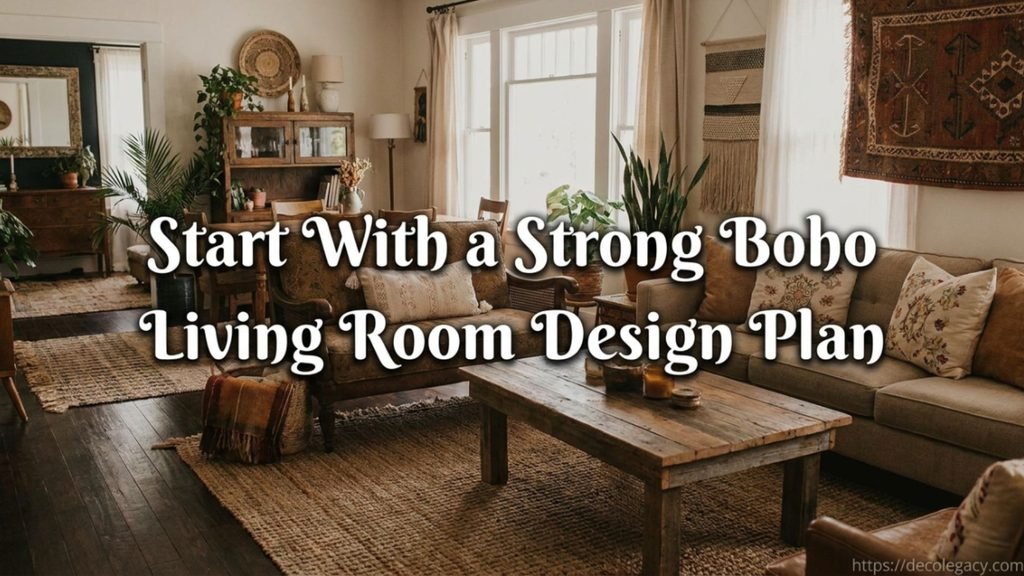
Start With a Strong Boho Living Room Design Plan
Before choosing a single pillow or rug, it helps to step back and plan the room the way a designer would. Boho style gives you room to be expressive, but the most successful spaces still start with a clear sense of how the room will function and which colors and materials will tie everything together. Skipping this step is usually what leads to a living room that looks like a collection of pretty things rather than a cohesive space.
Define Your Living Room’s Main Function
A living room works harder in most homes than any other space, so it’s worth deciding upfront what it needs to do before laying out furniture or shopping for décor. This is especially important in an open concept living room, where the living area often has to visually and functionally hold its own next to a kitchen or dining zone.
- Will the room be primarily for lounging and TV viewing, or more of a conversation-focused social space?
- Does it need to accommodate guests regularly, or is it mostly everyday family use?
- Will it double as a reading nook, home office corner, or play space?
- How many people should the main seating area comfortably fit?
Once the function is clear, furniture choices, sofa size, number of seats, whether you need a media console or a reading chair become much easier to make.
Choose a Cohesive Color and Material Palette
Set your palette before you start collecting individual pieces, since boho’s layered look only stays cohesive when everything pulls from the same color and material story. Pick one dominant neutral, one warm accent tone, and two to three core materials (such as rattan, linen, and wood) that will repeat throughout the room.
Write this palette down or pin it to a mood board, and check new furniture or décor against it before buying this single habit prevents the mismatched, overly busy look that boho rooms can fall into.
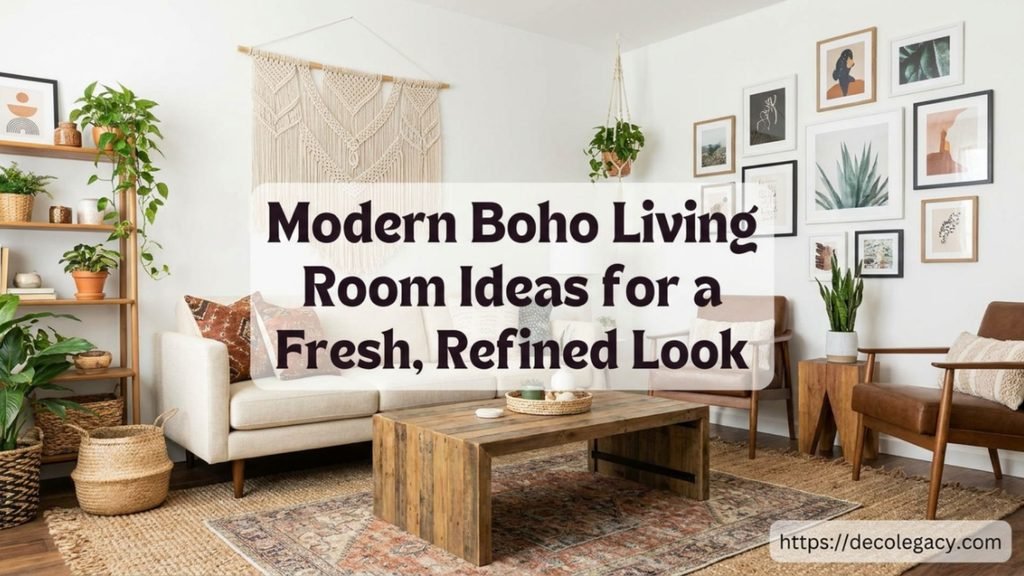
Modern Boho Living Room Ideas for a Fresh, Refined Look
Traditional boho leans heavily on layers and patterns, but a growing number of homeowners want that same warmth with a cleaner, more current edge. Modern boho keeps the natural materials and earthy palette but trades heavy layering for simpler lines, quieter pattern, and a more curated edit of décor. It is a good direction for anyone who loves the boho feel but wants a living room that still reads as polished and up to date.
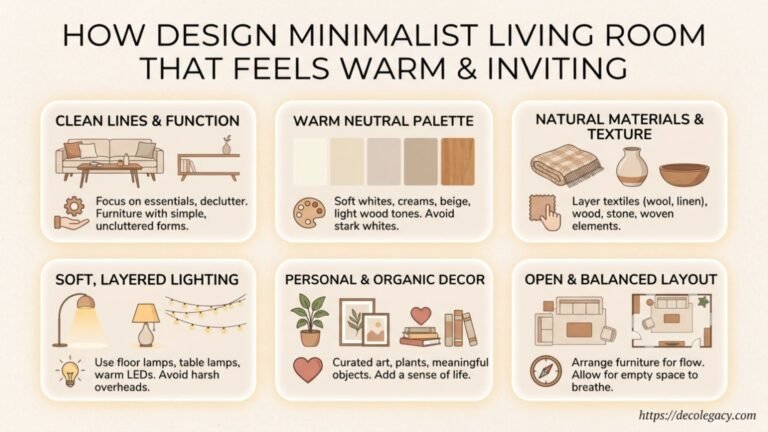
Create a Minimalist Modern Boho Living Room
The easiest way to modernize a boho space is to edit, not add. Keep the same warm, natural foundation but let fewer, better pieces carry the room instead of stacking on layers.
- Choose one statement textile (a rug or a set of pillows) instead of layering multiple patterns
- Favor solid-color upholstery in warm neutrals, saving pattern for smaller accents
- Limit wall décor to one or two intentional pieces rather than a dense gallery wall
- Stick to a tighter color palette often just two tones plus a neutral for a calmer, more contemporary feel
- Leave more open floor and wall space between furniture and décor so the room can breathe
Choose Modern Boho Living Room Furniture
Furniture is where modern boho differentiates itself most clearly from the traditional style shapes get simpler and more architectural, even as materials stay natural and tactile.
- Sofas: low-profile, streamlined silhouettes in linen or boucle rather than heavily tufted or carved frames
- Coffee tables: simple wood or stone shapes — a live-edge slab or a sculptural round table instead of ornately carved vintage pieces
- Chairs: curved rattan or wood-framed accent chairs with clean lines, used as a single statement piece rather than several mismatched finds
- Storage: matte wood or cane cabinetry with simple hardware, keeping visual clutter low
- Lighting fixtures: sculptural woven or ceramic pendants with a single clean shape, rather than multiple layered fixtures
This pairing of natural materials with more restrained, modern shapes gives the room boho’s signature warmth without tipping into visual overload a look that fits especially well in an open concept living room, where a cleaner furniture profile helps the space feel cohesive next to more streamlined kitchen or dining areas.
Layering a Cozy Boho Living Room From the Ground Up
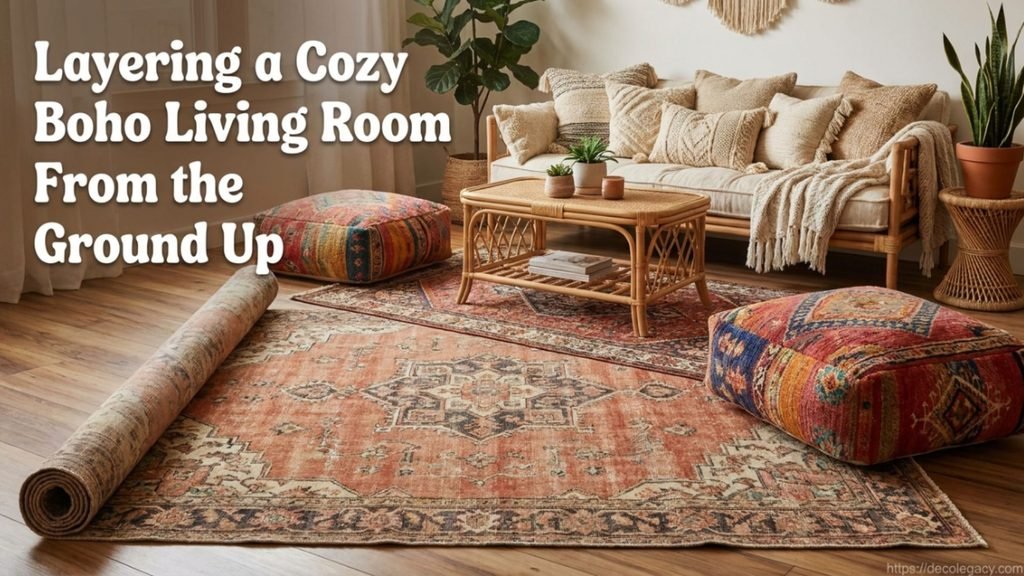
Think of a boho living room the way you’d think of an outfit: rug first, then the “furniture,” then accessories, then lighting to tie it together. Skipping a layer is usually why a boho room ends up feeling either too sparse or too cluttered. Start with the foundation pieces below and build outward.
Select a Boho Living Room Rug
The rug is the anchor of a boho living room it grounds the seating area and sets the tone for every color and texture decision that follows. Choose it before you shop for anything else, including furniture, since it’s easier to build a palette around a rug than to find a rug that matches an already-finished room.
- Size it correctly: all four front legs of your sofa and chairs should sit on the rug, or at minimum the front legs only never float furniture completely off the rug in a boho layout, as it reads as unfinished.
- Layer two rugs for authentic boho texture: a flatweave jute or kilim as the base, topped with a smaller Persian, Moroccan, or vintage-style rug slightly off-center.
- Mix patterns confidently but keep one unifying color (rust, terracotta, or indigo, for example) running through both layers so the combination reads as intentional.
- Favor natural fibers jute, wool, and cotton dhurries — over synthetic pile rugs, which tend to look too polished for the style.
- Standard sizing guide: 8×10 ft for a standard living room, 9×12 ft for larger or open concept living room layouts where the rug needs to visually define the seating zone.
Style Boho Living Room Curtains
Curtains do a lot of quiet work in a boho space they soften hard window lines, filter light beautifully, and add another layer of texture without competing with the rug or upholstery. In boho styling, curtains are meant to feel relaxed rather than tailored.
- Choose natural, textured fabrics: linen, cotton gauze, or lightweight macramé panels.
- Hang rods 4–6 inches above the window frame and let panels puddle slightly or just skim the floor for that lived-in drape.
- Stick to warm neutrals (cream, sand, rust) or a single muted pattern busy curtain prints usually clash with a layered rug.
- Layer sheers behind heavier drapery for rooms that need both privacy and soft, diffused daylight.
- Avoid stiff, structured pleats or blackout fabrics with a glossy finish; both read as too formal for the aesthetic.
Layer Lighting for a Warm Boho Living Room
A single ceiling fixture will never carry a boho room the style depends on layered, low, ambient light that mimics candlelight and lantern glow. Aim for at least three separate light sources at different heights before you consider the lighting plan finished.
- Ambient layer: a woven rattan or paper pendant, or a statement chandelier with natural materials like wood beads or capiz shell.
- Task layer: a floor lamp with a linen or rattan shade beside the reading chair; a table lamp with a warm-toned bulb (2700K–3000K) on a console or side table.
- Accent layer: string lights, a cluster of candles, or a small terracotta salt lamp for texture and warmth after dark.
- Use dimmers wherever possible boho rooms are meant to shift from bright and airy in the day to soft and moody in the evening.
- Group lighting in odd numbers (three pendants, three candle clusters) for a more organic, less symmetrical feel.
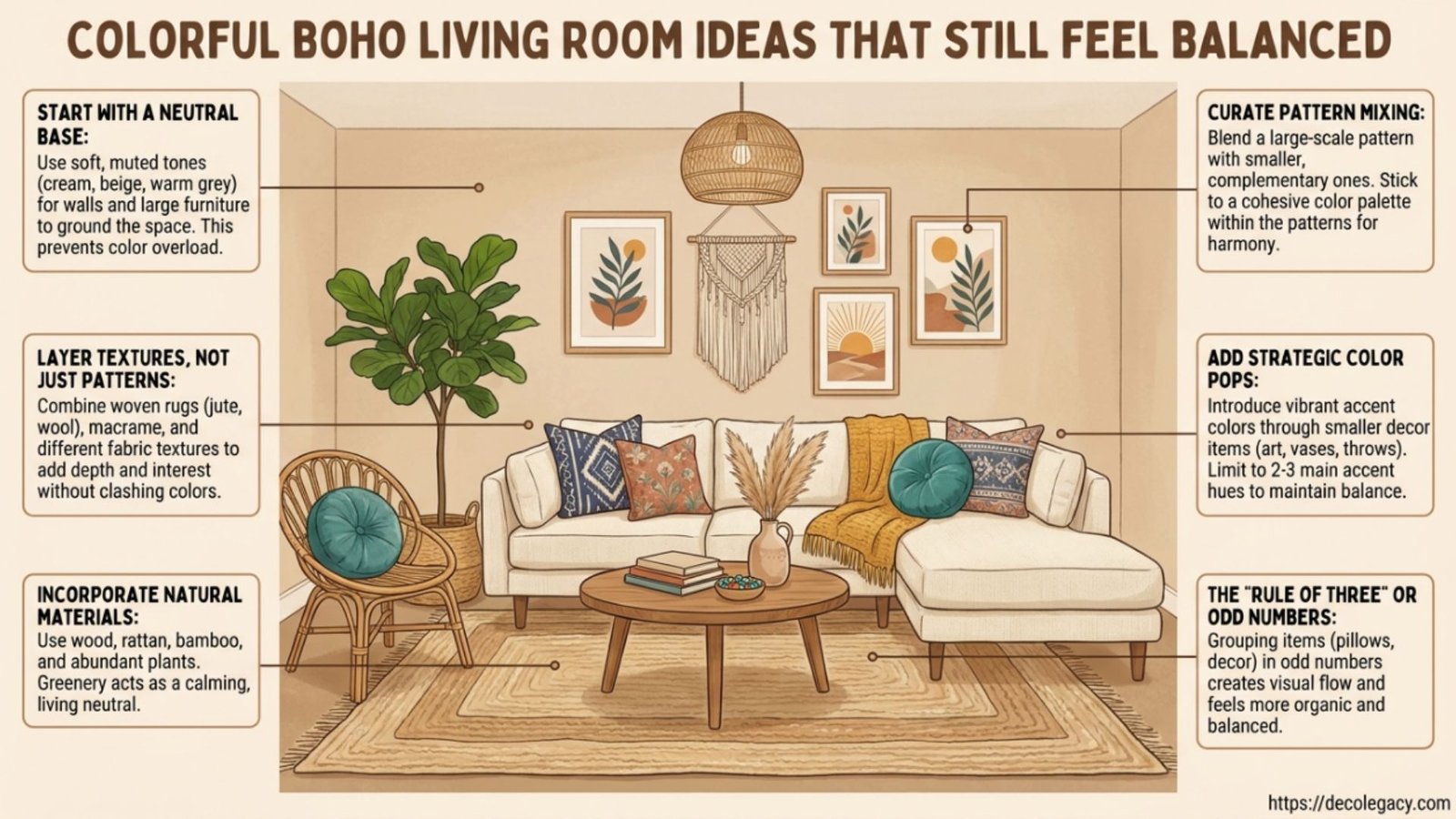
Colorful Boho Living Room Ideas That Still Feel Balanced
A common mistake is assuming boho means “more is more” everywhere at once. The most successful colorful boho rooms actually follow a loose 60-30-10 rule: a dominant neutral, a supporting color, and an accent even when the palette looks eclectic. Color still needs a system behind it, or the room reads as chaotic rather than curated.
Build a Colorful Boho Living Room
Start with one or two anchor colors and let everything else play a supporting role:
- Choose a color story, not a color free-for-all terracotta + teal, mustard + rust, or plum + sage all work because they share warmth or saturation, not just because they’re “boho colors.”
- Layer color through textiles first throw pillows, a large area rug, and a woven pouf are the easiest, lowest-commitment ways to introduce bold hues.
- Repeat your accent color at least 3 times around the room (a pillow, a vase, a piece of art) so the eye reads it as intentional, not accidental.
- Mix pattern scales pair a large-scale kilim or Moroccan rug with smaller-scale prints (ikat, batik, block print) on cushions to avoid competing busyness.
- Add one jewel-tone or saturated piece as a focal point, a velvet accent chair or a bold painted cabinet rather than spreading intensity evenly across every surface.
- Balance warm and cool tones so the palette doesn’t feel one-note; a warm rust sofa softens next to cool teal or indigo accents.
A good gut-check: if you removed the textiles, would the room still feel calm? If yes, your color layering is working with the space rather than overwhelming it.
Use Neutral Foundations for Flexible Styling
Big-ticket furniture is where restraint pays off. Sofas, sectionals, and large storage pieces are expensive and time-consuming to replace, so keeping them neutral protects your ability to refresh the room’s look later without a full renovation.
- Keep large upholstered pieces in warm neutrals — oatmeal, sand, clay, or soft taupe — rather than bold colors or prints.
- Let wood tones do quiet color work — rattan, teak, and reclaimed wood already bring warmth without adding another competing hue.
- Use a neutral rug as your base layer, then stack a smaller patterned rug on top for texture without overwhelming the floor plan.
- Save pattern and saturation for what’s easy to swap: pillow covers, throws, art, and lighting.
- Choose walls in warm white, greige, or soft clay so colorful furnishings and layered textiles have room to stand out.
This neutral-first approach is particularly valuable in an open concept living room, where the living area’s palette needs to visually connect with adjacent kitchen or dining finishes — neutral anchor pieces make that transition seamless.
Rustic Boho Living Room Ideas With Natural Character
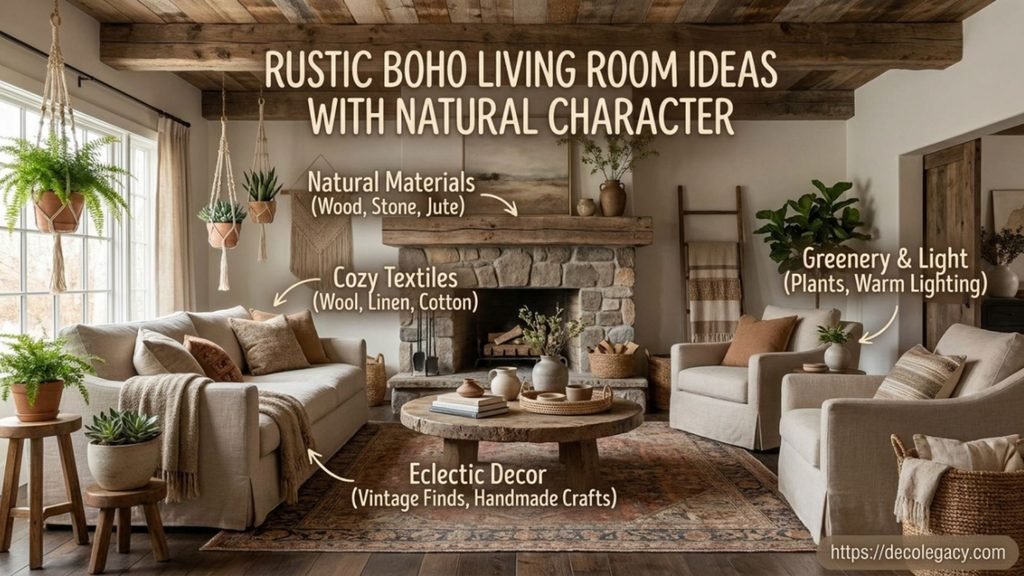
A rustic boho living room brings together two design languages that were practically made for each other: the earthy, imperfect warmth of rustic style and the free-spirited layering of bohemian décor.
The result is a space that feels collected over time rather than staged in a showroom full of natural materials, handmade textures, and furniture with real personality. This style works especially well in an open concept living room, where the living area flows into the kitchen or dining space and benefits from a cohesive, grounded palette that ties everything together.
Unlike a strict design formula, rustic boho is about balance. Too much rustic and the room feels heavy or cabin-like; too much boho and it can tip into clutter. The goal is a space that feels lived-in, textural, and warm without losing structure which is where thoughtful furniture placement, layering, and zoning make all the difference.
Mix Rustic Wood With Soft Textiles
Wood is the backbone of rustic boho style, and it should be visible, not hidden. Reclaimed or live-edge coffee tables, exposed wood beams, rattan accents, and raw-finish shelving all anchor the room in something tactile and organic. To keep the look from feeling cold or overly masculine, every wood element needs a soft textile counterpart this contrast is what makes rustic boho feel inviting instead of austere.
Ways to balance wood and textiles:
- Pair a reclaimed wood coffee table with a plush, high-pile area rug in a neutral or warm tone
- Layer a chunky knit throw over a leather or linen sofa to soften hard lines
- Add a mix of textured floor cushions (jute, cotton, wool) near a wood bench or low seating area
- Use woven wall hangings or macramé to soften large expanses of exposed wood or brick
- Choose dining or accent chairs with a wood frame and a cushioned or woven seat, rather than solid wood alone
Color palette that works well:
- Warm neutrals: terracotta, camel, sand, and rust
- Deep grounding tones: forest green, chocolate brown, and charcoal
- Accent pops: mustard yellow or burnt orange used sparingly through pillows or artwork
Keep Rustic Boho Living Room Ideas Contemporary
Rustic boho can easily start to feel dated or overly “cabin core” if every element leans traditional. The fix is to anchor the room with a few clean-lined, contemporary pieces that let the rustic and boho elements read as intentional rather than accidental. Think of modern furniture as the neutral base layer, with rustic textures and boho accessories doing the storytelling on top.
Modern touches that keep the look current:
- A low-profile sofa in a solid, neutral fabric instead of an ornately carved or heavily patterned one
- Matte black or brushed brass lighting fixtures to contrast with natural wood tones
- Simple, geometric-shaped mirrors or wall art instead of heavily distressed frames
- Open shelving with clean lines, styled with a curated mix of ceramics, books, and one or two statement plants
- A streamlined media console rather than a bulky, traditional entertainment unit
Common mistakes to avoid:
- Overcrowding surfaces with too many small décor objects, which reads as clutter rather than curated
- Using only warm-toned lighting throughout, which can make the room feel dim mix in a few cooler-toned task lights for balance
- Sticking to one wood tone everywhere; two complementary wood tones (for example, a light oak floor with a darker walnut coffee table) feel more current than a single matched set
- Skipping negative space even a boho-inspired room needs breathing room to avoid feeling busy, especially in an open concept living room where the eye travels across multiple zones
For furniture placement, keep the seating arrangement simple and functional: a sofa and one or two accent chairs angled toward a central coffee table, with a rug sized to fit at least the front legs of all seating pieces (a 5×8 or 8×10 rug works well for most living rooms). This keeps the layout feeling modern and grounded, even while the styling on top leans rustic and boho.
Creating a Dark Boho Living Room With Moody Appeal
Boho design doesn’t always mean sun-bleached neutrals and airy whites. A dark, moody boho living room trades brightness for depth, layering rich color, natural texture, and warm lighting to create a space that feels intimate rather than sparse.
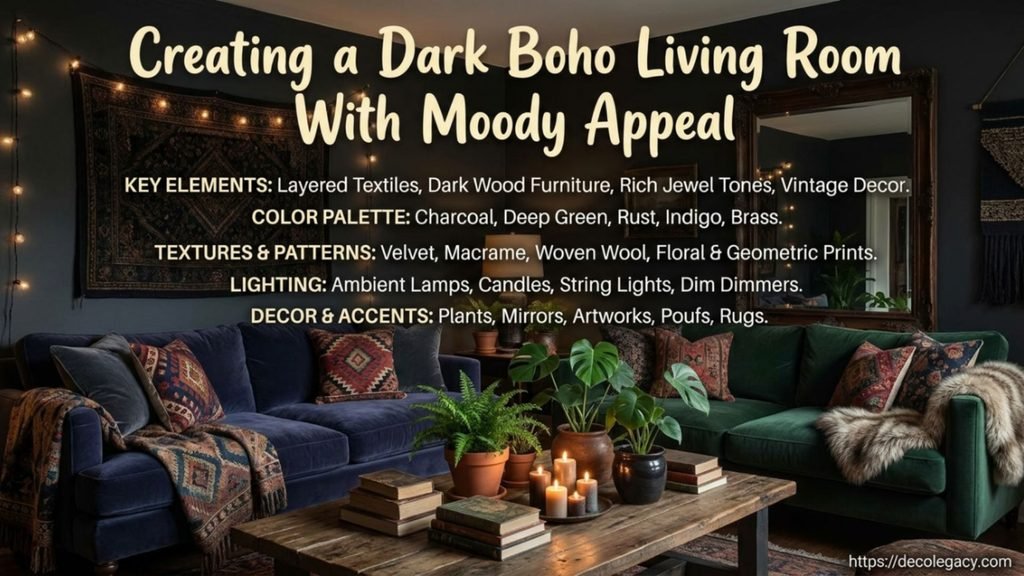
This look works especially well in an open concept living room, where a bold color palette can visually anchor the seating area and give it a defined identity within a larger, multi-purpose space. Done well, a moody boho scheme reads as curated and sophisticated rather than dark for the sake of drama.
Design a Moody Boho Living Room
Start with the walls and largest furniture pieces, since these set the tone for everything layered on top. Deep, earthy hues work best because they still feel grounded and organic rather than stark or cold.
- Color palette: charcoal, espresso brown, terracotta, deep olive, burgundy, or ink blue as the dominant tones
- Wall treatment: a single accent wall in a deep shade, or all four walls for a fully immersive, cocoon-like feel
- Sofa and seating: low-profile sofas in charcoal linen, rust velvet, or camel leather; pair with a mix of floor cushions and a rattan or wood-frame accent chair for boho texture
- Coffee table: carved wood, reclaimed timber, or dark rattan in an organic, irregular shape
- Rugs: a large jute or wool rug in a deep, patterned weave layering a smaller vintage-style rug on top adds authentic boho character and helps zone the seating area, which is especially useful in an open concept living room
- Layout: float the sofa away from the wall to create a defined “room within a room,” using the rug’s edge as the boundary for the seating zone
- Textiles: mix velvet, wool, and woven cotton throws; combine at least three patterns in a related color family so the mix feels intentional, not chaotic
For furniture placement, keep sightlines open if the living room connects to a kitchen or dining area. A low-back sofa or an open-frame chair near the transition point keeps the moody palette from visually closing off the open concept living room layout.
Keep Dark Rooms From Feeling Too Heavy
The biggest risk with a dark boho scheme is that it can start to feel cave-like without the right balance of light, texture, and contrast. The goal is depth, not gloom — every dark surface needs something to bounce light or draw the eye upward.
- Layer lighting generously: combine ambient (ceiling or floor lamp), task (reading lamp), and accent (string lights or candles) sources rather than relying on one overhead fixture
- Add warm, low-toned bulbs (2700K–3000K) to keep dark walls feeling cozy rather than flat
- Bring in metallics: brass, aged gold, or copper light fixtures and décor reflect light and add a subtle shimmer against dark backgrounds
- Use a large mirror opposite a window or light source to double natural light and visually expand the room
- Balance with light textures: a cream boucle throw pillow, a natural jute rug, or a light wood side table breaks up heavy tones
- Keep ceilings lighter than the walls when possible, so the room still feels tall rather than boxed in
- Avoid overcrowding: in an open concept living room, leave breathing room around furniture groupings so the dark palette doesn’t overwhelm the adjoining kitchen or dining zones
- Common mistake to avoid: painting a small, low-light room entirely dark with no metallic or textural contrast this is when moody tips into oppressive
A well-executed dark boho living room feels like a warm retreat rather than a shadowy corner, especially when natural materials and layered lighting do the work of softening the palette.
Coastal Boho Living Room Style for a Relaxed Home
Coastal boho takes the free-spirited layering of bohemian design and grounds it with the airy, sun-bleached palette of a beach house. The result is a living room that feels barefoot-casual but still curated perfect for homeowners who want warmth and texture without the visual clutter that boho can sometimes tip into.
This pairing works especially well in an open concept living room, where natural light and sightlines to the kitchen or dining area amplify that breezy, coastal feel throughout the whole floor.
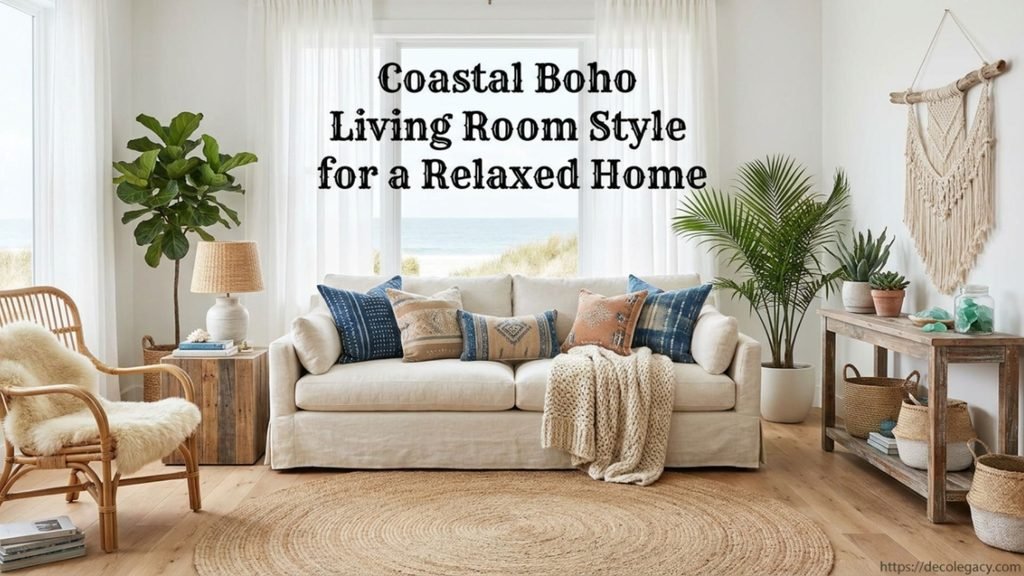
Unlike a strict “beach theme” with anchors and starfish, coastal boho borrows mood from the shoreline light, movement, and texture rather than literal imagery. It leans on raw materials, woven textiles, and a soft, sandy color story that stays livable year-round, not just in summer.
Choose Coastal Materials and Natural Textures
Material choice is what separates coastal boho from generic “beachy” décor. The goal is a tactile, layered room built from honest, natural materials that age well and feel good underfoot and to the touch.
- Rattan and wicker — accent chairs, pendant shades, or a woven coffee table add instant coastal-boho texture without overwhelming the space
- Light woods — whitewashed oak, bleached teak, or driftwood-toned furniture keep the palette airy rather than heavy
- Jute and sisal — ideal for area rugs; they bring in organic texture while staying durable for high-traffic, open-plan living rooms
- Linen and cotton — loose-weave throw pillows, slipcovered sofas, and breezy curtain panels reinforce the relaxed, sun-washed feel
- Rope and macramé — wall hangings, plant hangers, or a rope-wrapped mirror add handmade warmth
- Natural stone or capiz shell accents — a small side table or a shell-inlaid mirror adds subtle shimmer without reading as kitschy
For layout, keep furniture on the lower, lighter side a low-profile sofa with a slipcover, a rattan accent chair, and a woven pouf read as coastal boho far more convincingly than heavy upholstered pieces. In an open concept living room, repeat one or two of these materials (like rattan or jute) in the adjoining dining or entry area so the coastal thread carries through the whole space instead of stopping at the living room’s edge.
Keep Coastal Boho From Looking Themed
The biggest risk with coastal boho is tipping into costume territory — a room that reads as “beach house rental” rather than a genuinely stylish home. A few professional guardrails keep the look sophisticated:
- Limit literal coastal motifs. Skip anchors, shells scattered as décor, and nautical rope knots as standalone accents; let material and color do the talking instead.
- Anchor the palette. Stick to sand, bone, driftwood brown, and soft ocean blue-green as accents — not the dominant color — so the room doesn’t feel like a mood board taken too literally.
- Balance rough and refined. Pair raw textures like jute and rattan with one or two cleaner-lined pieces (a simple linen sofa, a matte black floor lamp) so the room doesn’t feel like it’s trying too hard.
- Edit the layering. Boho invites layering, but coastal wants restraint — choose one statement rug, one woven light fixture, and a curated cluster of textiles rather than covering every surface.
- Bring in a grounding neutral. A warm white or greige wall color keeps the coastal tones from feeling washed out or overly pastel.
- Mix in global textiles thoughtfully. A single vintage kilim or block-print cushion adds boho depth without competing with the coastal materials already in play.
A helpful test: if you removed every “beachy” object from the room, would it still feel warm, textural, and intentional? If the answer is yes, the coastal boho balance is working — the materials and palette are doing the work, not the props.
Boho Chic Living Room Ideas With a More Polished Finish
A well-executed boho living room doesn’t mean visual chaos it means curated eclecticism. The most successful boho spaces balance relaxed, collected charm with intentional design decisions around layout, color, and texture.
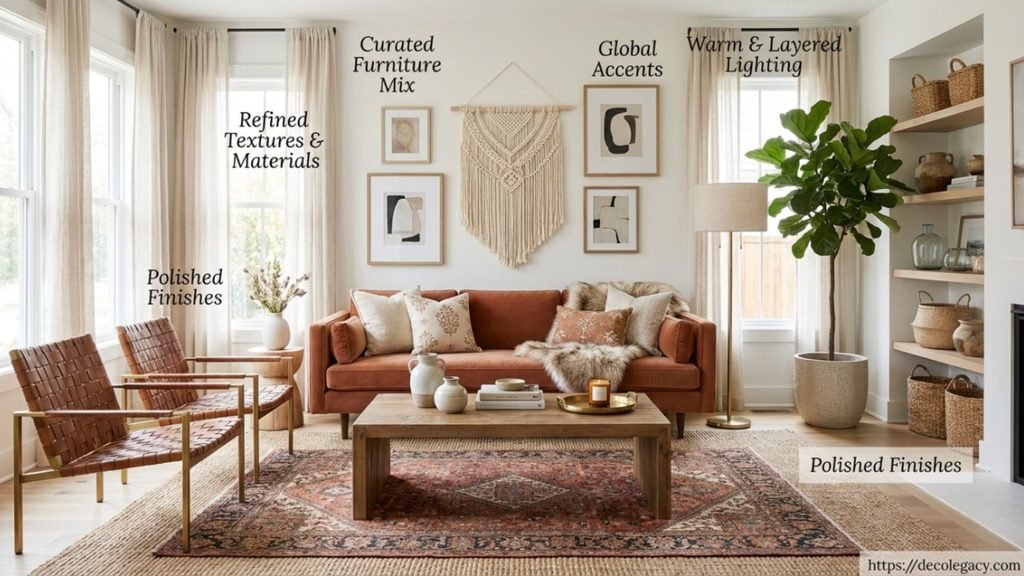
This is especially true in an open concept living room, where the boho aesthetic needs enough structure to read as cohesive rather than cluttered against an open kitchen or dining area.
H3: Combine Vintage Pieces With Refined Accents
The secret to elevated boho styling is pairing worn, character-rich vintage finds with cleaner, more contemporary pieces. This contrast keeps the room feeling curated instead of like a flea-market free-for-all.
- Anchor with one statement vintage piece—a Moroccan rug, carved wood coffee table, or rattan armchair—and let everything else stay simple around it.
- Balance ornate with minimal: pair a heavily patterned textile with solid-colored, streamlined seating (a low-profile linen sofa works well).
- Mix metals intentionally: brass or aged bronze accents (lamps, trays, picture frames) read as refined rather than random when repeated 2–3 times in a room.
- Choose furniture with clean silhouettes for large pieces (sofas, media consoles) and reserve ornamentation for smaller accessories—this keeps sightlines open, which matters most in an open concept living room where the space flows into adjacent zones.
- Shop smart: one true antique or heirloom piece has more impact than five mismatched thrift finds competing for attention.
For furniture placement, float the sofa away from the wall if the room allows for it (leave at least 30–36 inches for walking space), and angle a vintage accent chair toward the seating area rather than squaring everything off—this softens the layout and supports the relaxed boho feel.
Create Intentional Decorative Layers
Boho design is inherently layered, but “intentional layering” is what separates a polished room from an overstuffed one. Each layer should serve a purpose—texture, color, height, or light rather than being added just to fill space.
- Rugs: layer a smaller patterned rug over a larger jute or natural-fiber rug for texture and warmth; in an open concept living room, use the rug to visually define the seating zone separate from the dining or kitchen area.
- Textiles: mix 2–3 complementary patterns max (e.g., a striped throw, a block-print pillow, a solid velvet cushion) to avoid visual overload.
- Lighting layers: combine ambient (a woven pendant or rattan chandelier), task (a floor lamp beside the reading chair), and accent lighting (candles, a small table lamp) for warmth and depth after dark.
- Greenery: place one large floor plant (fiddle leaf fig, olive tree) in a woven basket planter as a natural focal point, plus one or two smaller trailing plants on shelves or plant stands at varying heights.
- Wall styling: layer a gallery of framed art, macramé, or woven wall hangings at varying sizes but stay within one defined wall zone so it doesn’t compete with open sightlines to the rest of the space.
A common styling mistake is layering everything at the same height and density throughout the room, which flattens the design. Instead, vary your layerslow (rugs, poufs), mid (furniture, textiles), and high (wall art, hanging lights, tall plants)so the eye moves naturally through the space, which is especially important for keeping an open concept living room feeling intentional rather than busy.
Suggested Addition How to Arrange a Boho Living Room Layout
A boho living room thrives on that easy, lived-in feel but “relaxed” doesn’t mean unplanned. The best bohemian spaces are actually arranged with real intention: layered textures, mismatched furniture, and global accents all working together around a layout that still feels open and functional.
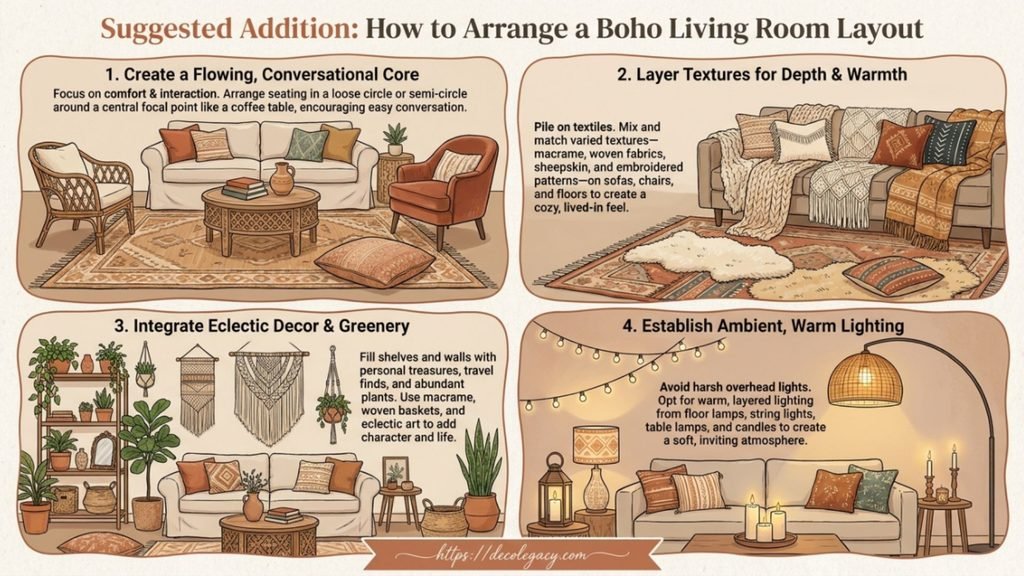
Before you start piling on rugs and plants, it helps to nail down the bones of the room first where the seating goes, how people will move through the space, and how big your pieces should be relative to the room itself. Get the layout right, and everything you layer on top of it (macramé, rattan, kilim pillows) will feel curated rather than cluttered.
Create a Comfortable Conversation Area
The heart of any boho living room is a seating arrangement that invites people to actually sit down and linger. Instead of pushing every piece against the wall, pull your furniture inward and angle it toward a central point — usually a coffee table, a woven rug, or a floor cushion cluster — so conversation flows naturally.
A few ways to build this out:
- Anchor with a low coffee table. A rattan, carved wood, or reclaimed-timber table at the center keeps the eye-level low and casual, which is core to the boho aesthetic.
- Mix seating types. Combine a sofa with floor poufs, a papasan chair, or oversized floor cushions to create varied, informal seating levels.
- Keep the distance intimate. Aim for no more than 8 feet between opposite seats so conversation doesn’t feel like shouting across a room.
- Layer a rug underneath. A patterned or vintage-style rug helps visually “hold” the seating group together, even in an open-plan space.
- Leave breathing room for movement. Make sure there’s at least 30 inches of walking space around the seating cluster so the layout stays functional, not just pretty.
Use Scale and Proportion to Avoid an Overcrowded Room
Boho design leans into abundance — layered textiles, plants, wall hangings, collected objects but that richness can tip into visual chaos fast if scale isn’t considered. The goal is fullness that still feels balanced, not a room that feels like it’s closing in.
Keep these proportion principles in mind:
- Match furniture size to room size. A oversized sectional in a small space will overwhelm it, just as tiny accent chairs can get lost in a large room.
- Vary heights intentionally. Combine low seating (floor cushions, low sofas) with taller elements (floor lamps, tall plants, macramé wall hangings) to create visual rhythm instead of a flat, cluttered look.
- Give statement pieces space to breathe. A bold vintage rug or an oversized woven wall hanging works best when it isn’t competing with five other loud patterns in the same sightline.
- Edit as you layer. Add boho elements in stages — rug, then seating, then textiles, then decor — and step back after each layer to check the room doesn’t feel cramped.
- Leave some negative space. Even a maximalist boho room needs a few quiet visual “resting points,” like a bare wall section or an uncluttered corner, to keep the space feeling curated rather than chaotic.
Suggested Addition Plants and Natural Elements That Complete Boho Style
Plants and natural materials are essential to creating a warm, relaxed boho living room. They bring organic texture, soften hard surfaces, and add the effortless connection to nature that defines bohemian interiors.
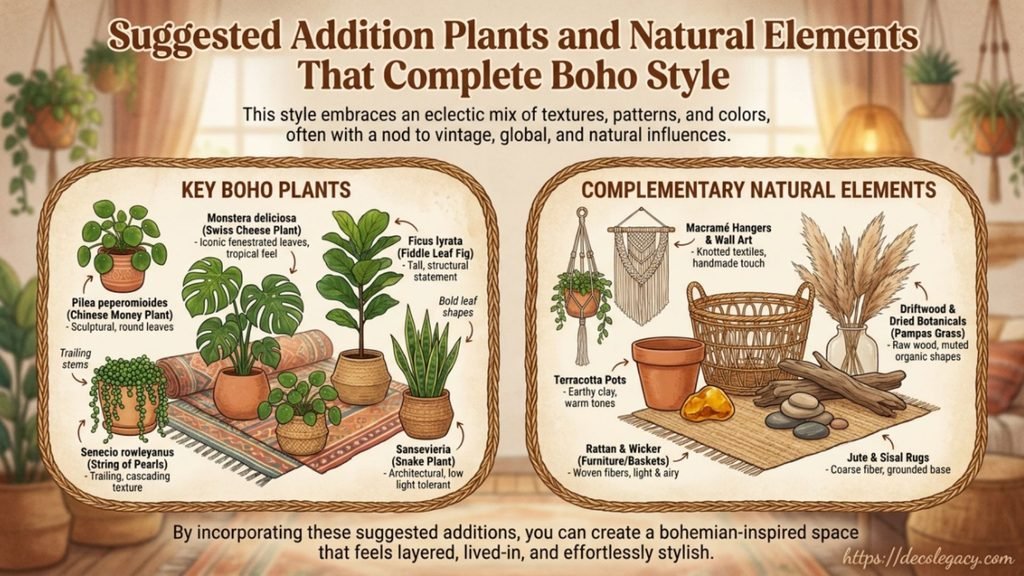
Instead of making the room feel overly coordinated, combine different types of greenery with materials such as woven fibers, wood, ceramic, and stone. The result is a layered, comfortable space that feels collected and naturally inviting.
Choose Plants for Light and Room Conditions
Select plants based on the amount of natural light your living room receives rather than choosing greenery solely for appearance. Bright rooms can accommodate sun-loving plants such as fiddle-leaf figs, palms, and succulents, while lower-light spaces may work better with pothos, snake plants, or ZZ plants.
Vary the height and shape of your plants to create a more organic arrangement. A tall floor plant can fill an empty corner, while smaller plants placed on shelves, side tables, or a media console add subtle layers throughout the room. Woven baskets and handmade planters can further reinforce the relaxed boho aesthetic.
Layer Woven, Wood, Ceramic, and Stone Elements
Natural materials add depth and tactile interest without making the room feel overly decorated. Introduce woven elements through rattan baskets, jute rugs, macramé wall hangings, cane furniture, or seagrass accessories. Pair these with warm wood furniture to create a grounded foundation.
Ceramic vases, handmade pottery, terracotta planters, and stone accessories can then add contrasting textures and earthy character. Rather than matching every material, mix finishes and shapes intentionally.
A combination of rough stone, smooth ceramic, natural wood, and woven fibers makes the living room feel authentic, relaxed, and comfortably layered—the hallmark of a well-designed boho space.
Suggested Addition How to Make Boho Decor Work on a Budget
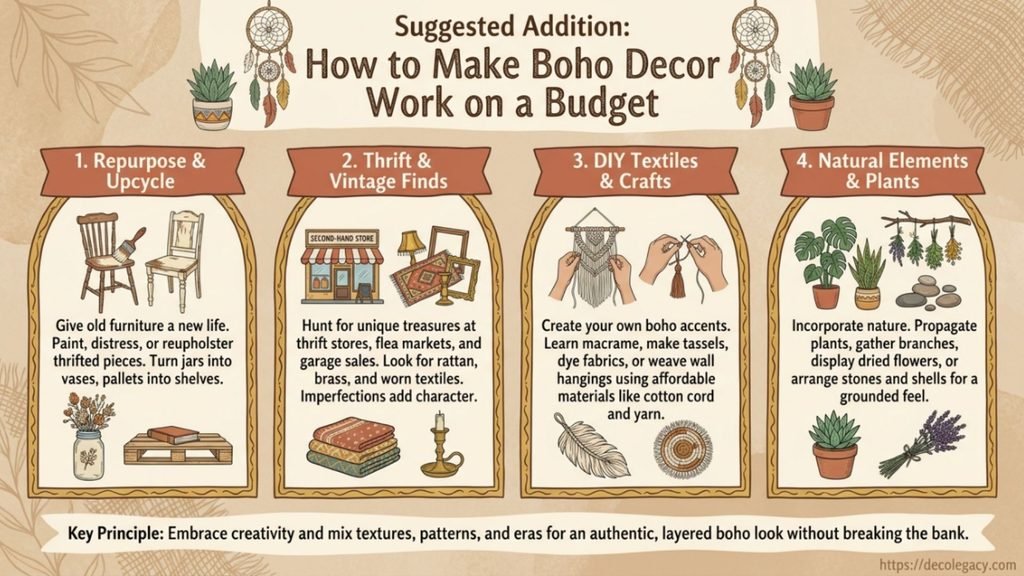
Creating a beautiful boho living room does not require a large decorating budget. Bohemian style naturally embraces creativity, secondhand finds, handmade pieces, and a mix of textures, making it easier to create a stylish space without buying everything new. The key is to decide which pieces deserve a larger investment and where inexpensive accessories can create just as much visual impact.
Where to Spend More on Furniture
Invest more of your budget in the furniture you use every day, particularly the sofa, accent chairs, and main storage pieces. A comfortable, durable sofa can become the foundation of the entire room, while quality wood furniture can last for years and develop more character over time.
When choosing larger pieces, prioritize:
- Comfort and durability: Select seating with sturdy construction and fabrics that can handle everyday use.
- Timeless shapes: Simple sofas, wooden coffee tables, and natural-finish furniture can adapt as your boho style evolves.
- Natural materials: Solid or well-made wood, rattan, cane, and other organic materials can add authentic texture.
- Versatility: Choose furniture that works with different rugs, cushions, throws, and accessories so you can refresh the room without replacing major pieces.
You can also look for secondhand furniture, vintage markets, estate sales, or quality used pieces that can be cleaned, refinished, or reupholstered. This approach often suits boho design particularly well because the style benefits from furniture that feels collected rather than perfectly matched.
Where to Save With Accessories
Accessories are one of the easiest areas to control when decorating a boho living room on a budget. Small additions can dramatically change the atmosphere without requiring a major investment. Instead of purchasing an entire matching collection, build the room gradually with pieces that add color, texture, and personality.
Affordable options include:
- Throw pillows: Mix inexpensive covers in different patterns, earthy tones, and woven textures.
- Throws: Add warmth with chunky knits, cotton blankets, or lightweight woven textiles.
- Baskets: Use affordable woven baskets for storage while adding natural texture.
- Plants: Propagate existing plants or choose low-maintenance varieties instead of buying expensive mature plants.
- Wall decor: Create visual interest with thrifted artwork, woven wall hangings, mirrors, or handmade pieces.
- Decorative objects: Combine thrift-store ceramics, vintage books, candles, and small pottery pieces for a collected look.
- DIY accents: Simple macramé, painted pottery, or repurposed furniture can add a personal touch for very little money.
The most effective budget-friendly boho rooms are not necessarily filled with expensive decorations. They rely on thoughtful layering, natural textures, personal objects, and a relaxed mix of old and new. Start with a few quality foundational pieces, then gradually add affordable accessories as your style develops.
Common Boho Living Room Decorating Mistakes to Avoid
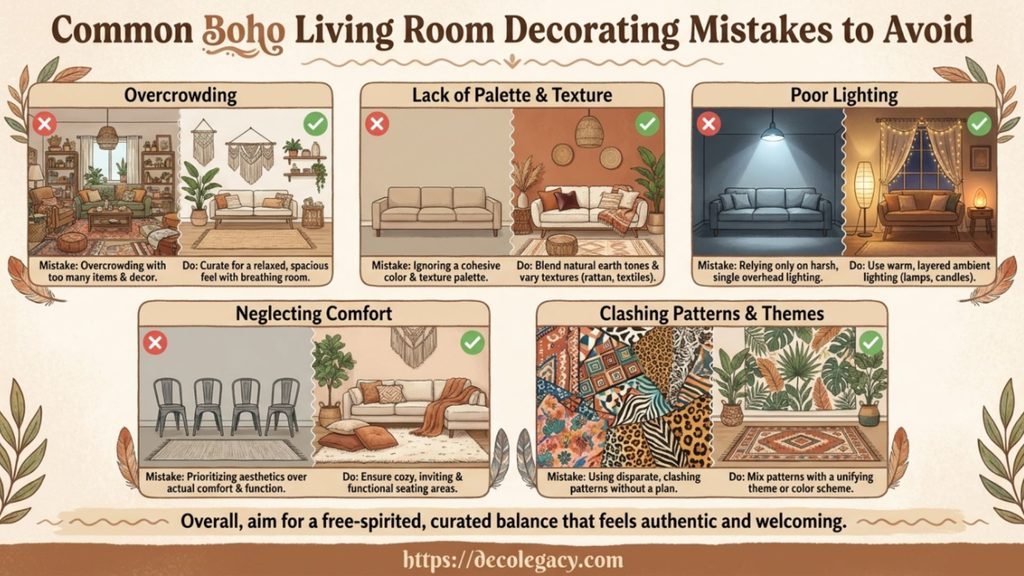
A boho living room should feel relaxed, layered, and personal, but too many competing elements can quickly make the space feel cluttered or unbalanced. The goal is not to fill every surface with patterns and accessories. Instead, successful boho design combines texture, color, natural materials, and comfortable furniture while maintaining enough structure for the room to feel intentional.
Using Too Many Patterns Without a Visual Connection
Boho style welcomes pattern mixing, but using too many unrelated prints can make the living room look chaotic. The easiest way to create cohesion is to repeat at least one color, tone, or visual theme across different textiles and decorative pieces.
For example, a patterned rug might include terracotta, cream, and muted green. Those same colors can appear in throw pillows, artwork, or a blanket without every item having the same pattern. Balance busy prints with solid-colored fabrics and natural materials such as wood, jute, rattan, or linen.
Ignoring Scale, Proportion, and Negative Space
Even a beautifully decorated boho room can feel uncomfortable when furniture and accessories are the wrong size for the space. An oversized sofa can overwhelm a small living room, while tiny furniture may look disconnected in a large open area.
Pay attention to the relationship between major pieces and the surrounding space. Leave enough room for comfortable movement and avoid placing every piece directly against a wall. Negative space gives the eye somewhere to rest and prevents the layered boho aesthetic from becoming visually overwhelming.
Choosing Style Over Everyday Functionality
A living room should look beautiful, but it also needs to work for everyday life. Choosing furniture or accessories purely for appearance can create a space that photographs well but feels inconvenient to use.
Consider how the room will actually be used before adding decorative pieces. Choose comfortable seating, practical storage, washable textiles where appropriate, and durable surfaces for frequently used areas. Baskets can hide everyday clutter, ottomans can provide extra seating or serve as a coffee table, and nesting tables can offer flexibility without taking up unnecessary space.
The best boho living rooms balance personality with practicality. When comfort, organization, proportion, and visual harmony work together, the space feels effortlessly styled rather than deliberately overcrowded.
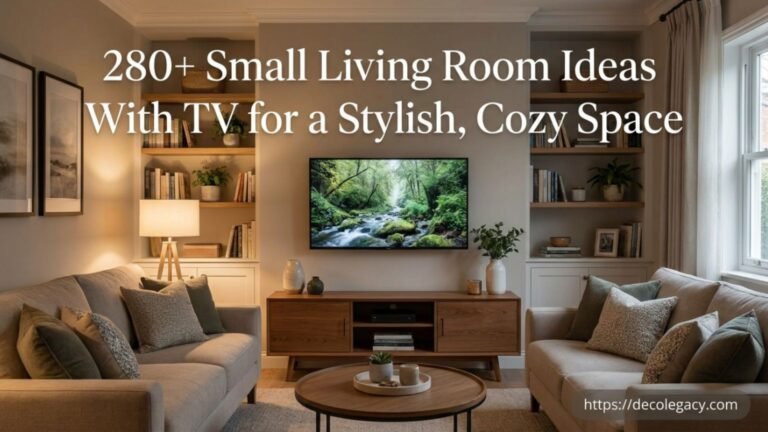
Read More : 280+ Small Living Room Ideas With TV for a Stylish, Cozy Space
Conclusion
Creating a boho living room is all about embracing texture, color, and personal touches without overthinking perfection. This Boho Living Room Guide has walked you through the essentials, from furniture choices to decor layering. Remember, boho style thrives on mixing patterns, natural materials, and thrifted treasures.
Don’t be afraid to experiment with plants, macrame, and warm lighting to build an atmosphere. The goal is a space that feels relaxed, inviting, and uniquely yours. With these tips, you’re ready to design a cozy, stylish home that reflects your free-spirited taste.
FAQs
What colors work best in a boho living room?
Earthy tones like terracotta, mustard, cream, and deep greens work beautifully alongside warm neutrals.
Do I need expensive furniture for boho style?
Not at all thrifted, vintage, and DIY pieces are core to authentic boho decor.
How many patterns is too many in a boho room?
There’s no strict limit, but balance busy patterns with solid-colored pieces to avoid visual overload.
Are plants necessary for boho decor?
They are not mandatory, but plants add life, texture, and that signature boho freshness to any space.